|
Hi Reader, it’s Donna. In every letter I take one behaviour and help you make sense of what it’s really about. Today: the turned head, the pushed plate, the meals that become a battle.
When your child refuses to eat, it’s easy to worry, to push, to feel like you’re failing at something as basic as feeding them. There is usually more going on than fussiness.
|
|
|
Refusing food is often a child’s way of staying in control of a body that feels unsure. |
|
|
WHAT IT LOOKS LIKE
Turning their head away, pushing the plate, spitting food out, gagging, crying at mealtimes, refusing to sit at the table.
|
|
|
WHAT'S REALLY HAPPENING
Eating is deeply sensory. Texture, smell, taste, and control all play a part. When a child’s body feels unsure or under pressure, the nervous system becomes overwhelmed, and refusing food becomes a way to protect themselves.
- Refusal is often self-protection from discomfort or overwhelm.
- Pressure to eat tends to deepen the fear, rather than ease it.
- Underneath the refusal is one need: “let me feel safe, and let me have some say.”
|
|
|
HOW TO RESPOND
Give choice, reduce pressure, and make the meal about connection more than what gets eaten.
- Offer real choices where you can, so your child keeps a sense of control.
- Let them touch, smell, and explore food without any pressure to eat it.
- Steady yourself first. Your settled presence tells their body that mealtimes are safe.
- Make the table about being together, not performance. Connection lowers the fear.
YOU MIGHT SAY:
“You don’t feel like eating right now. It feels like too much.”
“It’s hard when food doesn’t feel right.”
“Being in charge of what you eat helps you feel safe.”
“I’m here, and we can do this together.”
|
|
|
Control at the table is often how a child reaches for safety. When you loosen the pressure and offer choice instead, you give that safety room to grow. Some of the most connected meals are the ones where very little was eaten at all. |
|
|
|
|
NOW FREE FOR EVERY PARENT
Get the full food refusal guide, and me in your pocket
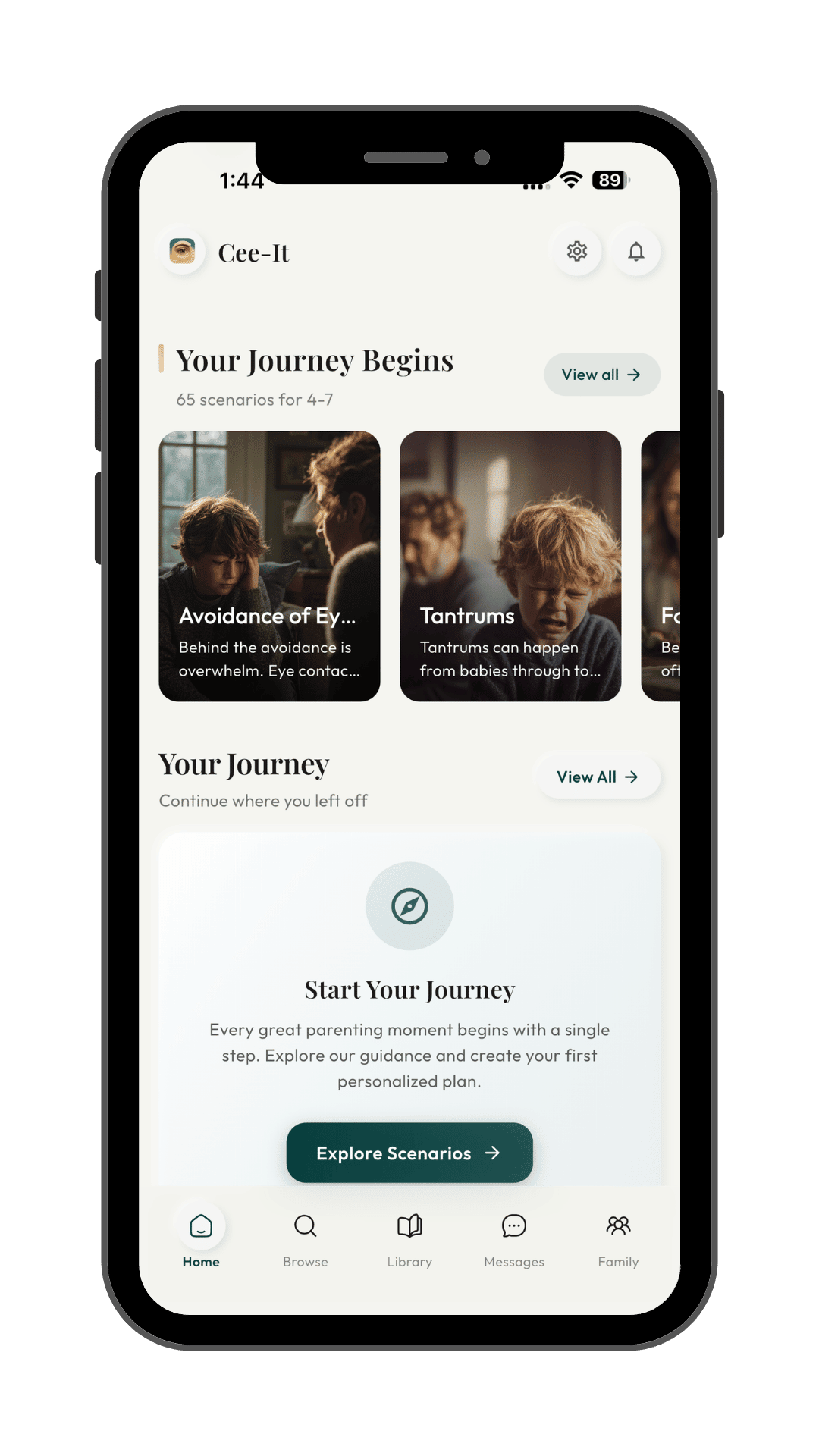
Cee-it walks you through mealtimes like these with a gentle 7-day plan and the words to say. And with Ask Donna, you can tell me what’s happening with your own child and I’ll help you understand it, your first three questions free.
|
|
|
|
| What should I decode next? |
|
|
|
|
|
|
|
See you in a fortnight,
|
|
Donna Rego
Founder, Interplay & Cee-It
Get the Cee-It App:
|
|
|
|
P.S. If you're ready to understand all of this properly, from the ground up, my Interplay Certification is where practitioners and parents go deeper. Learn more here → |
|
|
Trusted by professionals worldwide: 8,000+ therapists trained, over 1,000,000 families reached, 23+ years of clinical practice.
You’re receiving this because you joined Donna at a free event.
Interplay & Cee-it
Unsubscribe · Update preferences |
|
|
